My first vintage home decor purchase was a ceramic lamp base from a car boot sale on a grey Sunday morning in March. It was pale sage green, slightly bulbous in a way that felt vaguely 1950s, and I paid £4 for it. I was so pleased with myself that I did not notice the hairline crack running up one side until I got it home under proper light.
It still sits on my bedside table. The crack faces the wall. And that lamp slightly flawed and completely specific taught me more about what vintage home decor actually is than any magazine article I’d read before it.
Since then I’ve been buying, restoring, and incorporating vintage pieces into my home for about six years. I’ve furnished most of a living room through charity shops and eBay I’ve made genuinely bad purchases and genuinely brilliant ones and I’ve learned slowly what to look for what to walk away from and how to make old things look intentional rather than just old.
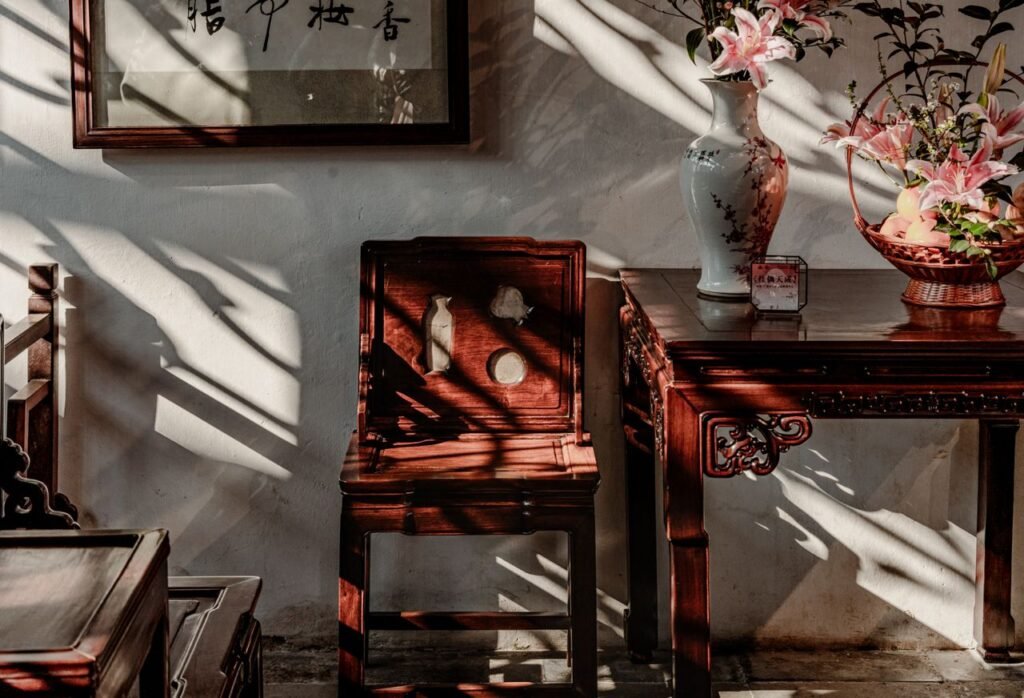
What vintage actually means when you’re decorating
The word gets used loosely which causes confusion. Technically, vintage means something made between 20 and 100 years ago anything older than that is antique. In practice when people talk about vintage home decor they usually mean items that read as belonging to a recognisable past era and that have been used rather than made to look used.
This matters because vintage inspired (new items made to look old) and genuine vintage (actually old items with actual history) do different things in a room. Both can work but they have different prices different levels of character and very different sourcing experiences.
Genuine vintage pieces have proportions materials, and construction details that mass produced modern replicas rarely capture exactly. The slight imperfections the weight of the materials the way a piece has worn these are the qualities that give a room warmth that can’t really be manufactured.
Where to actually find vintage pieces honestly
- Low cost
- Car boot sales The original hunting ground. Unpredictable, seasonal, requires early arrival (serious sellers set up from 6am), and genuinely exciting when you find something. Prices are negotiable always.
- Charity shops Best in affluent areas where donations tend to be higher quality. Prices are fixed but usually very low. Requires regular visits since stock changes constantly get to know your local shops.
- Mid range
- Facebook Marketplace Enormous locally sourced and searchable by specific item. My most used source for larger furniture pieces. Prices are negotiable and you can see it in person before buying.
- eBay The widest selection and the easiest to search by era or style. Best for smaller items ceramics and prints where postage doesn’t make the economics absurd. Can get expensive for sought after items.
- Higher cost
- Vintage markets Portobello Road Kemkempton Park antique fair local vintage fairs. Better curation more knowledgeable sellers and prices to match. Still cheaper than new designer furniture for comparable quality.
- Specialist vintage dealers Online shops on Etsy and Vinterior, or physical dealers in vintage furniture districts. Prices are higher but pieces are authenticated restored and often come with some history. Worth it for statement pieces.
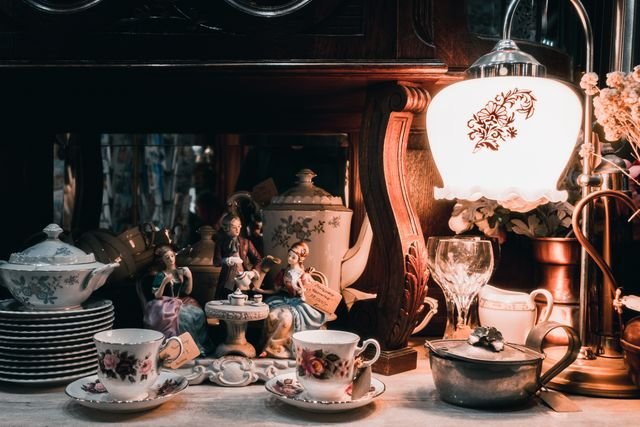
How to start building a vintage influenced home without it looking like a junk shop
Pick an era or direction loosely
You don’t need to commit rigidly but having a loose direction stops you buying anything that just looks old. Decide whether you’re drawn toward mid century clean lines, 70s earthy warmth Victorian richness or farmhouse rusticity. Use this as a filter when you’re browsing rather than a rulebook pieces that cross eras can work beautifully as long as they share material tones or proportions.
Start with accessories before committing to furniture
Vintage lamps ceramics prints mirrors and textiles are low risk first purchases. They’re affordable easy to source simple to move if they don’t work and they give you a feel for what you actually like in real life rather than just on a screen. I built my eye for vintage over about two years of buying small objects before I bought any furniture.
Buy pieces you genuinely like not pieces you think you should have
The quickest route to a home that feels like a museum or a prop store is buying pieces because they’re properly vintage or the right era rather than because you actually love them. If something doesn’t make you feel something when you look at it it won’t earn its place in a room regardless of its provenance.
Mix vintage with modern deliberately, not apologetically
Some people treat their vintage home decor pieces as the real décor and their modern items as shameful gap fillers. This rarely produces a good result. The rooms that work best have a considered mix where the vintage piece provides the focal point or texture and the modern context makes it feel readable. An old sideboard with a contemporary lamp. A vintage print in a clean white frame. The contrast is very much part of the appeal.
Look past surface condition when buying
Scratches, faded finishes, and worn surfaces are often easily improved and some are actually desirable in vintage home decor. What you genuinely cannot fix is structural damage like broken joints, warped frames, rotting wood, or cracked ceramics. Learn to distinguish surface wear, which is patina and character, from structural problems, which are deal breakers. I have bought pieces specifically for that worn quality and lightly painted or sanded others that simply needed refreshing rather than fully restoring.
Mixing vintage with modern combinations that actually work
Mid century sideboard + contemporary art
The warm wood tones and clean lines of 1950s–60s furniture sit beautifully beneath bold modern prints. The contrast makes both pieces look better.
Victorian mirror + white minimalist wall
An ornate gold frame against a plain white wall looks deliberately curated rather than cluttered. The breathing room around it makes the detail of the frame more visible not less.
Mismatched vintage chairs + modern table
A clean lined contemporary dining table grounds a collection of different vintage chairs. The table provides the structure the chairs provide the personality.
Vintage lamp base + new shade
Replace the original shade with something contemporary in a linen or cotton fabric. The base brings character the new shade brings it into the present.
Old rug + new furniture
A vintage or antique rug is the single most effective way to add warmth and history to a room furnished entirely with contemporary pieces.
Vintage ceramics on modern shelving
IKEA or similar modular shelving becomes considerably more interesting when styled with a mix of old ceramics vintage books and found objects rather than identical new accessories.
Mistakes worth learning from without having to make them
Buying too much too fast
The excitement of discovering a great source for vintage home decor, whether it is a new charity shop or a first car boot sale, can lead to buying anything that looks remotely interesting because the prices feel low enough to justify it. The result is a collection of unrelated objects that do not work together and a home that feels cluttered rather than curated. Buy slowly, live with gaps, and let each piece earn its place before adding the next.
Confusing old with vintage
Not everything old is worth bringing home. Some things are old and not particularly good, poorly made even when they were new, or so specific to a moment in time that they read as dated rather than genuine vintage home decor. A good test is to ask yourself honestly whether this object has a quality, a shape, or a material that you simply cannot find in new things. If the answer is no, leave it where it is.
Over theming a room
A room decorated exclusively with pieces from a single era starts to feel like a period film set rather than a home. It reads as curated by a concept rather than by a person. The warmth and character that vintage home decor can bring comes partly from the mix old and new, different eras in conversation with each other. Too rigid an approach produces rooA beautiful mid century sideboard that’s four inches too wide for the wall you had in mind.
A lovely armchair that overwhelms a small living room once it’s in. Always measure the space first and write the dimensions on your phone before you go browsing for furniture. I have bought two pieces that didn’t fit where I intended them and had to be rehomed both times because I was working from memory rather than measurement.