For an embarrassingly long time my bath time setup looked like this: a book balanced on the edge of the tub, a glass of wine balanced on the opposite edge, and my phone propped up against the taps. It worked fine right up until it absolutely did not. In my case that meant a paperback falling spine first into the water during a particularly tense chapter, and my phone performing a graceful slide toward the taps that I caught with one wet hand about half a second before complete disaster. That was the moment I finally stopped improvising and invested in a proper bathtub trays and caddies setup, and I have never looked back since.
I bought a bath caddy that same evening, from my phone still damp sitting on the bathroom floor. And then I bought a second one two months later because the first one was the wrong size and wobbled every time I touched it.
Since then I’ve owned three different trays researched this more than a reasonable person should and have genuinely strong opinions about what makes one worth buying and what makes one a six month countdown to frustration. Here’s everything I’d tell a friend before they make the same choices I did.

Why the material choice matters more than anything else
This is the part most product listings gloss over and it’s the thing that will most affect how your tray holds up in six months. A bathroom is a humid wet environment. What something is made of determines whether it’s still pleasant to use in a year or whether it’s rusting swelling or growing mould along the joints.
Bamboo
The most popular material by far and genuinely beautiful. The catch bamboo is natural and absorbs moisture. Without proper treatment and regular drying it swells warps and eventually cracks. Look for sealed bamboo specifically and dry it after every use rather than leaving it wet across the bath.
Teak
The gold standard for wet environments. Naturally water resistant due to its high oil content doesn’t warp easily and ages to a beautiful silver grey if left untreated. Significantly more expensive than bamboo but genuinely earns it over a long lifespan.
Stainless steel
Rust resistant (if it’s actually stainless not just chrome plated), easy to clean, and doesn’t absorb moisture at all. Less warm looking than wood but an excellent practical choice especially for people who’d forget to dry a wooden tray regularly.
Acacia wood
Acacia wood is a great material choice for bathtub trays and caddies. It is harder and denser than bamboo with better natural water resistance making it a solid middle ground between bamboo’s affordability and teak’s durability. Just keep in mind that it does need regular oiling to stay in good condition over time.
Resin / plastic
Won’t rust won’t warp won’t crack from moisture. Also won’t look like anything other than a plastic tray which matters more in a bathroom people can see. Genuinely fine if budget and practicality are the priority.
Features worth paying for and ones that sound useful but aren’t
Adjustable extendable sides
The single most important feature for most people. A caddy that telescopes to fit your specific tub width means it won’t slip, wobble or sit awkwardly off centre. Non adjustable trays are a gamble on fit that often doesn’t pay off.
Non slip feet or rubber grips
Even with a well fitting caddy rubber or silicone feet on the underside prevent it from sliding when you reach across or adjust your position. This is the difference between a stable surface and an anxious one.
A built in book or tablet rest
A raised lip or slot that holds reading material upright at a comfortable angle. Far more useful than just a flat surface trying to hold a book and lie in a bath is awkward at best dangerous at worst.
A wine glass holder
One of the most genuinely useful features to look for in bathtub trays and caddies is a built in wine glass holder. A drilled hole or recessed slot that holds a wine or champagne glass securely makes a real difference. There is a world of difference between a glass that is properly held and one that is simply balanced on the edge. This single feature completely stopped my wine on the edge habit the moment I started using it.
A phone or tablet slot
A phone or tablet slot is a handy feature on bathtub trays and caddies if you like to watch something or listen to music while you soak. Just keep in mind that a simple slot only positions your device, it does not protect it from water. It still requires care and attention to avoid splashing anything directly onto the screen.
A candle or soap dish recess
A dedicated spot for a candle or small soap dish is one of those finishing touches that makes bathtub trays and caddies feel truly well thought out. It keeps these items from being precariously balanced on the bath edge and gives the whole setup a much more intentional and put together look. It is not a dealbreaker if the tray is otherwise excellent, but it is a genuinely lovely feature to have.
How to measure your bath and actually choose the right size
This was my second mistake the wobbling caddy I mentioned at the start. I assumed adjustable meant will fit any bath, which turned out to be overly optimistic.
Here’s what to check before buying:
Measure the inner rim width of your bath
This is the distance between the two inner ledges where the caddy will rest not the outer width of the tub itself. These can differ by several centimetres, and it’s the inner rim that determines what fits. Measure this at a few points along the length of the bath older baths especially can taper slightly.
Look up the adjustable range of any extendable caddy explicitly
Most list a minimum and maximum extension. Your inner rim measurement needs to fall comfortably within that range not at the very edge of it where the tension holding the sides out won’t be strong enough to keep it firm.
Consider the depth of the caddy relative to your usual bath fill level
A very deep caddy that extends far down into the tub will sit in the water if you fill the bath high which defeats the purpose and can cause water damage faster. Check the height of the tray section if the product specifies it and consider your usual bath depth.
Read reviews that specifically mention the fit not just the appearance
When shopping for bathtub trays and caddies, always make a point of reading reviews that specifically mention how well it fits rather than just how it looks. A caddy that looks absolutely stunning in lifestyle photographs may wobble or feel unstable on any bath that is not exactly the right width. Filter through the reviews and look for mentions of stability, fit, and long term durability rather than just comments about how nice it looks straight out of the box.
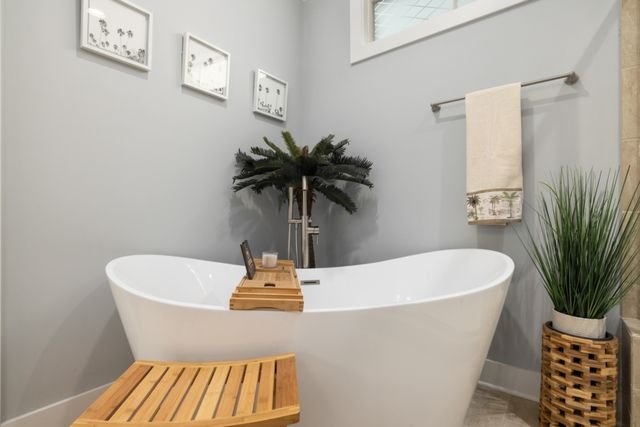
Styling your bath caddy so it actually looks good
A caddy can be purely functional or it can be part of the bathroom aesthetic a small considered arrangement that makes the bath look inviting even when it’s not in use. Here’s how to get the balance right:
- One candle, one small plant or vessel Items that stay on the tray when the bath isn’t in use. A pillar candle in a holder and one small ceramic piece create a styled look. Don’t overcrowd the tray needs functional surface space.
- Book, drink phone Items you bring to each bath and remove afterward stored somewhere dry between uses rather than permanently on the tray.
- What’s behind the caddy? Tiles a bath panel or a wall you look at while lying in the bath. A small wall print, a plant on the ledge nearby, or even a good looking soap bottle nearby affects how the whole scene reads.
- When choosing bathtub trays and caddies, try to coordinate with your existing bathroom finishes. A brass caddy in a bathroom with chrome taps, or a black steel caddy in a warm wooden bathroom, will always look slightly out of step. Match or at least complement your existing hardware finishes and the whole setup will feel much more intentional.
What I actually use now and what happened to the others
My current caddy is a teak adjustable version from a mid range bathroom brand not a budget option and not designerpriced sitting around the £55 mark. It has an adjustable extension that fits my bath properly with firm tension a slot for reading material a drilled glass holder and rubber feet that have never moved once in over a year of use.
The first one chrome plated £18, looked fine for two months and developed rust at both adjustable joints by month four. I binned it.
The second bathtub trays and caddies option I tried was a beautiful bamboo one genuinely lovely to look at but I was not diligent about drying it after baths and it started to warp along the main crossbar within about five months. It still sits in the bathroom but it lies slightly uneven now and will not lie completely flat.
The teak one has neither of these problems. It’s the most I’ve spent on something that is essentially a shelf over water, and I’ve not regretted it for a moment.