For the first two summers in our house, the back garden was where good intentions went to die. Outdoor living spaces becomes important for summer. We had a plastic table from a discount store, mismatched chairs in a vague beige, and a string of fairy lights that lasted exactly one thunderstorm. We’d go out there occasionally sit for twenty minutes get uncomfortable, then driftback inside.
The space wasn’t bad. It was just completely unconsidered. There was nowhere soft to sit no shade to speak of, no reason to stay. It looked like an after thought because it was.
The third summer I decided to actually fix it. Not with a big landscaping project or a five figure renovation, but by approaching it the same way I’d approach a room indoors: with intention zones and the understanding that comfort is not optional.
That was two years ago. Now we eat outside four nights a week in summer my kids practically live on the garden sofa, and we’ve had more impromptu evenings out there than I can count. Here’s what changed and what I learned getting here.
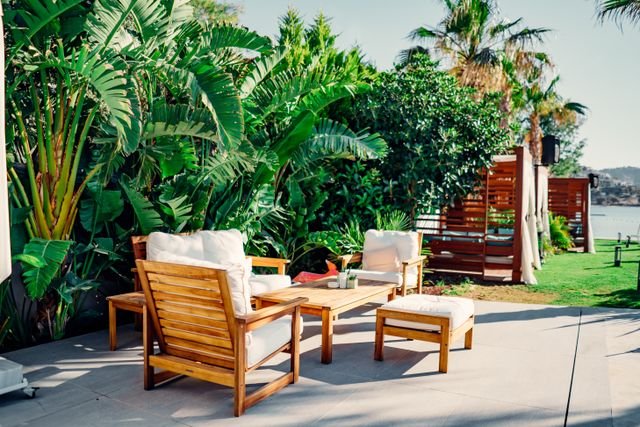
Start with zones, not furniture
This was the piece of advice that finally clicked for me when I started thinking seriously about my outdoor living space. Before you buy a single thing, take a moment to decide what you actually want to do out there. Most people make the mistake of trying to cram everything into one undivided area, a table for eating, chairs for sitting, maybe a fire pit, and the end result is a space that does not do any of those things particularly well. When you are planning your outdoor living space, starting with purpose rather than products makes all the difference in the world.
Think about your outdoor space the way an interior designer thinks about an open-plan room. It needs zones: defined areas with clear purposes. Even a small garden can have two or three of these.
Outdoor dining area
A proper table, chairs with armrests, good lighting overhead. Dedicated to meals not a catch all surface.
Seating and relaxation
Sofa or deep seat chairs, side table, outdoor cushions. Where you sit with a drink and don’t want to leave.
Sheltered nook
Pergola, sail shade, or tall planters. A spot that feels enclosed and protected rather than exposed.
Fire and warmth
Fire pit, outdoor heater, or chiminea. Extends usable hours into cooler evenings and creates a natural gathering point.
The furniture decision that matters most
I’ve owned cheap garden furniture and I’ve owned quality garden furniture and the difference is not subtle. Furniture is important in outdoor living space. The plastic set from our first summer looked dated within months warped slightly by the end of the season and had to be replaced. The powder coated steel and teak pieces I bought in year three? They still look better than the day I bought them.
That said, quality doesn’t necessarily mean expensive. Here’s how I actually think about it now:
The frame is everything
Whatever else you economise on, do not buy garden furniture with frames made from low grade plastic, untreated softwood, or thin aluminium. Powder coated steel, cast aluminium, FSC certified teak, or hardwood like eucalyptus will outlast three cycles of cheaper alternatives. Brands like KETTLER, Hartman, and Gloster are worth looking at if you want something that handles British weather (or any rainy climate) without drama.
Cushions are a separate budget
Do not be fooled by the cushions that come bundled with budget outdoor furniture sets. They are usually stuffed with cheap polyester filling, offer no waterproofing whatsoever, and start looking worn and sad well before the summer is even over. Proper outdoor cushions are a completely different story. They are made from solution dyed acrylic fabrics and brands like Sunbrella and Olefin are the ones worth looking out for. These materials are built to resist UV fading and dry out quickly after rain, which makes a huge difference over time. They are not cheap and you should expect to pay somewhere between 40 and 80 pounds per seat cushion for a decent quality one. But the investment is genuinely worth it because with just a little basic care they will easily last you five to seven years without losing their look or comfort.
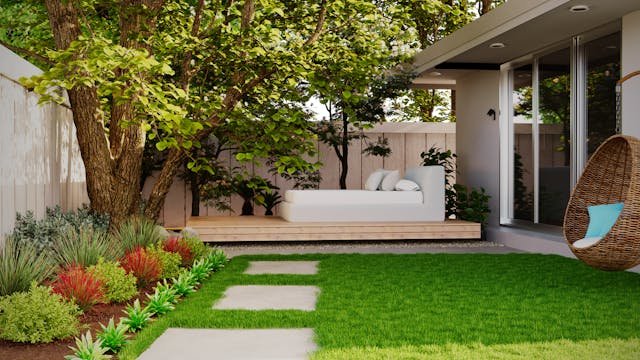
Building the space step by step
This is the sequence I’d follow if I were starting over it avoids the classic mistakes of buying statement pieces before nailing the basics.
Fix the floor first
A cracked concrete slab weed riddled gravel or unlevel decking undermines everything placed on top of it. Before buying a single piece of furniture, sort the surface. Even laying porcelain paving tiles yourself (with a decent YouTube tutorial and some patience) transforms the feel of a space more than any furniture purchase will.
Add structure: shade and enclosure
A pergola shade sail or large outdoor parasol does two things it defines your zone and makes the space usable in more weather. I installed a simple free standing pergola from a garden centre kit (Rowlinson make solid ones) over the dining area, and it’s the single most commented on feature guests mention. It makes outside feel like somewhere, not just an open patch of ground.
Bring in the anchor furniture
This is your main dining set or your outdoor sofa whatever is the centrepiece of the zone you’re creating. Buy the best you can afford here. Everything else is easier to change later the main seating sets the tone and the scale of everything around it.
Layer in soft furnishings and plants
Outdoor rugs scatter cushions lanterns and planters are what make a space feel designed rather than assembled. An outdoor rug under the dining table or lounge area instantly makes the zone feel intentional it’s the same principle as indoors. I use ones from Benuta or Weaver Green which are flatweave washable and handle outdoor conditions well.
The mistakes I made so you don’t have to
The mistakes I made while creating an outdoor living space, so you don’t have to.
Buying outdoor furniture before measuring properly
A sofa that looks absolutely perfect in a showroom can quickly turn your outdoor living space into an awkward obstacle course once it arrives. Before you order anything, take some tape and mark out the exact footprint of the furniture on your actual surface. This simple step takes just a few minutes but can save you from a very costly mistake. Also make sure to leave at least a 90 centimeter walkway around any dining set. You need enough room to pull chairs out comfortably without bumping into a wall, a planter, or anything else that gets in the way.
Skipping furniture covers to save money
Quality furniture left uncovered through winter will age three times faster than covered furniture. A set of decent waterproof covers from brands like Hartman or Alexander Rose costs a fraction of replacement furniture. Buy them at the same time as the furniture and actually use them from October through March.
Choosing the wrong outdoor rug material
My first outdoor rug was a natural jute beautiful terrible idea. It went mouldy within one wet season. Outdoor rugs need to be polypropylene polyester or recycled plastic flatweave. They need to dry quickly and resist mould. Jute, sisal, and natural fibres belong indoors regardless of what the label says.
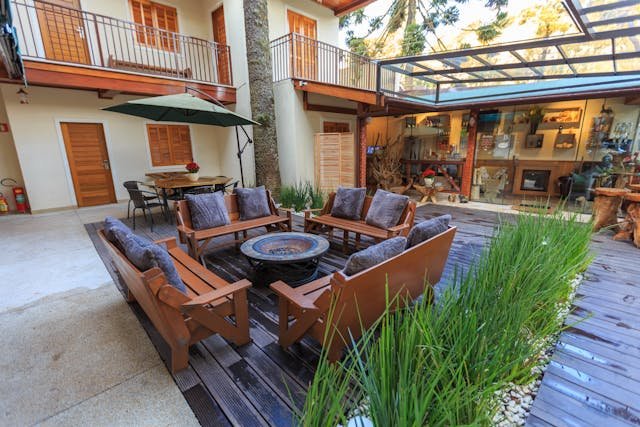
The small details that make a big difference
Once the structure is in place, it’s often small additions that push a space from functional to genuinely lovely.
An outdoor speaker matters more than you’d think. Being able to play music without propping up a phone on the table changes the atmosphere completely. The JBL Charge series handles outdoor conditions well the Sonos Move connects to your home system and sounds exceptional.
One last tip that can completely transform your outdoor living space is where you hang your string lights. Instead of draping them along fence lines at ground level, hang them at head height, strung between posts or across a pergola. Fairy lights at sitting height create exactly the kind of warm and magical atmosphere that makes an evening spent outside feel truly special. They are also one of the cheapest investments you can make for your outdoor space and yet they do more to set the mood and atmosphere than almost anything else you could add.