Minimalist interior décor is no longer just a passing trend. It has matured into a deeply considered philosophy of living one that prioritises quality over quantity, intention over impulse, and space over stuff.
But what exactly is minimalist interior design? And more importantly, how do you actually achieve it without your home feeling cold, empty, or clinical? This blog covers everything you need to know — from the foundational principles and colour palettes to room by room styling tips that bring warmth and personality into a pared-back space.
What Is Minimalist Interior Decor?
At its core, minimalist interior décor is the practice of stripping a space down to its essential elements. The goal is not to remove everything it is to remove everything that does not serve a purpose, whether functional or aesthetic. What remains should feel deliberate, considered, and deeply satisfying.
Rooted in the Bauhaus movement of the 1920s and later refined by Japanese wabi-sabi philosophy, minimalism in interiors is about embracing simplicity without sacrificing soul. It is the recognition that negative space the empty areas around furniture, walls without decor, a shelf with only three objects is not absence but presence. Space itself becomes a design element.
Modern minimalist interiors are far warmer and more liveable than the stark, all-white rooms of the 1990s that gave the style an unfair reputation. Today’s approach incorporates natural textures, tonal layering, and carefully chosen objects that hold meaning making a minimalist home feel intimate rather than intimidating.
The Minimalist Colour Palette
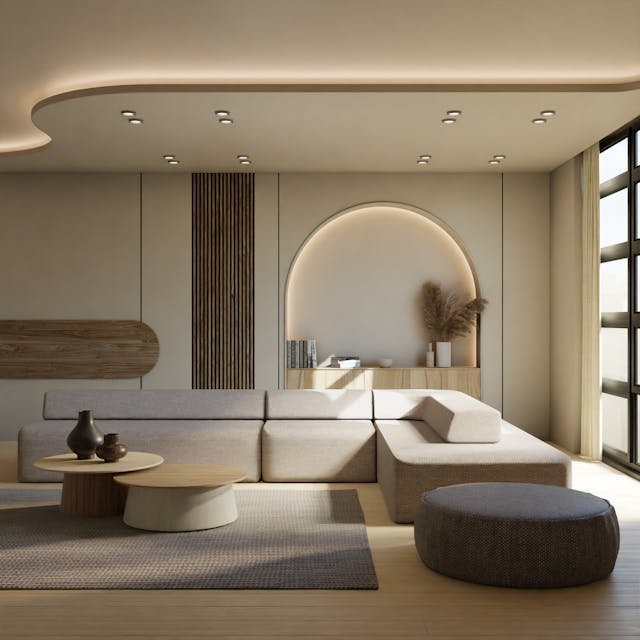
Colour is perhaps the most powerful tool in minimalist interior decor. The most successful minimalist spaces are built on restrained, deeply considered palettes usually anchored in neutrals with one or two accent tones that add depth without noise.
The classic minimalist palette draws from nature: warm whites, soft linens, dusty stone, cool greiges, and muted sage greens. These shades create visual continuity throughout a space, making rooms feel larger, calmer, and more cohesive. The key is to layer tones rather than contrast them think five shades of the same beige rather than beige against navy.
Furniture Selection in a Minimalist Home
Choosing furniture for a minimalist interior demands the same discipline as editing a wardrobe be ruthless about what earns a spot in the room. Every piece should serve a clear purpose, sit comfortably within the overall palette, and contribute to the spatial flow rather than interrupt it.
Prioritise Clean Lines :
Minimalist furniture tends toward clean, geometric forms straight legs, flat surfaces, simple silhouettes. Ornate carvings, fussy detailing, and decorative hardware work against the aesthetic. This does not mean furniture must be angular; gentle curves work beautifully in minimalist spaces, especially in sofas and chairs, where they soften the room without adding visual noise.
Choose Multi-Functional Pieces:
One of the smartest moves in minimalist interior decor is selecting furniture that works harder than it looks. A bed with built-in storage drawers, a dining bench that doubles as a hallway seat, an ottoman with a removable lid these pieces reduce the total number of items in a room while maintaining full functionality.
Minimalist Living Room Ideas
The living room is often the hardest room to minimise because it serves so many purposes relaxation, socialising, entertainment, and family life all converge here. Yet it is also the room where a minimalist approach delivers the most dramatic transformation.
Start by choosing a single focal point: a fireplace, a statement artwork, or a carefully styled shelving unit. Every other element in the room should support this focal point rather than compete with it. A sofa in a warm neutral, a single side table, a rug that defines the seating area, and no more than three decorative objects is often all you need.
The television presents the greatest challenge in a minimalist living room. Wall-mounting it eliminates the need for a bulky TV unit and removes visual clutter at floor level. Alternatively, consider a media console with closed storage so that cables, remotes, and equipment are hidden completely from view.
Natural Materials and Texture:
One of the most important shifts in contemporary minimalist interior decor is the embrace of natural materials as a primary source of warmth and character. Where early minimalism sometimes felt cold and austere, today’s approach uses linen, raw wood, stone, rattan, and ceramic to bring organic texture into the space texture that makes pared-back rooms feel rich and liveable.
The beauty of natural materials in a minimalist home is that they carry their own visual interest grain, knot, weave, and patina without needing additional decoration. A raw oak dining table tells its own quiet story. A linen throw adds warmth without adding colour. A terracotta pot by a window brings life and form without requiring a shelf of supporting objects around it.
When layering textures in a minimalist space, follow the same principle of restraint that governs everything else: choose two or three complementary materials and repeat them throughout the room. Linen, matte ceramic, and natural wood is a classic combination that feels considered without being contrived.
How to Start Your Minimalist Interior Journey
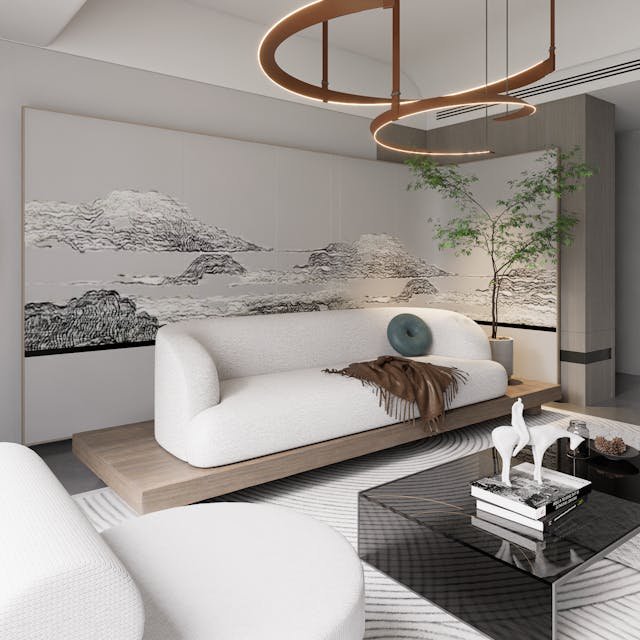
If the prospect of overhauling your home feels overwhelming, begin with a single room or even a single surface. Choose one shelf, one side table, one corner of the living room, and apply the principles of minimalist interior decor to that area alone. Edit everything down to what is necessary and beautiful. Then live with it.
This experience of one edited space, and how it makes you feel, is the most persuasive argument for minimalism available. Once you have experienced the particular calm of a room that has been properly pared back, the rest of the house tends to follow naturally.
Minimalist interior decor is ultimately not about achieving a particular aesthetic or following a set of design rules. It is about creating a home environment that supports and restores you a space where the background noise of accumulated objects has been quieted, and where what remains speaks clearly and well. That is a goal worth every difficult decision along the way.