For most of my adult life, I checked my full outfit using the slightly distorted, too small mirror on the back of a wardrobe door or worse, my phone camera held at an awkward angle. I told myself a proper long mirror in bedroom was an unnecessary extra something for people with bigger bedrooms and more disposable income to worry about.
Then I borrowed one from a friend who was moving and needed somewhere to store it temporarily. Three weeks later I’d bought my own. The difference wasn’t really about checking outfits although that got infinitely easier. It was how much brighter and more spacious the entire room suddenly felt just from one leaning mirror against a wall that used to be completely blank.
I’ve since helped two friends pick mirrors for their own bedrooms made one genuinely frustrating sizing mistake of my own and learned a fair amount about what actually makes a long mirror work in a bedroom versus just sort of sitting there.
Why this one piece does so much work in a bedroom
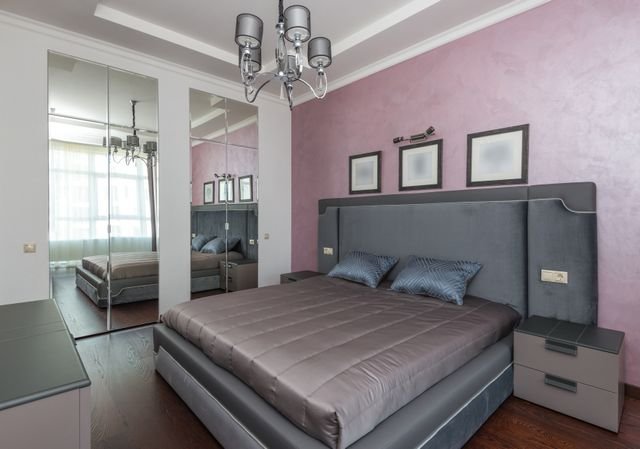
Bedrooms are usually the room with the least amount of art the fewest decorative layers and the most blank wall space, simply because so much of the floor is taken up by the bed. A long mirror solves a problem most people don’t even realise they have an empty wall with nothing happening on it.
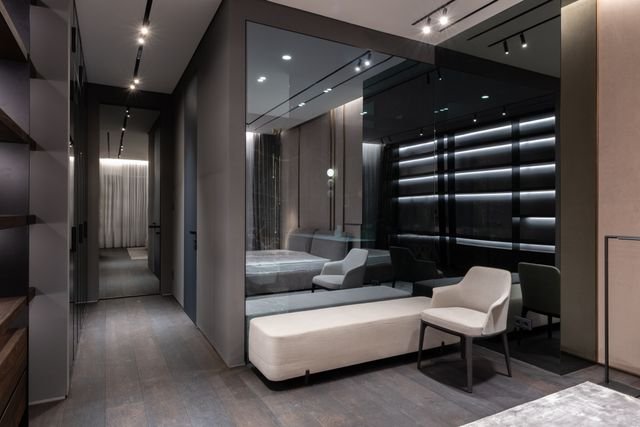
It also genuinely affects how big the room feels. Reflected light and reflected space both register, even subconsciously as more room than there actually is. My bedroom is a fairly standard size but the mirror leaning in the corner opposite the window makes it read as noticeably larger and brighter than it did before, particularly in the evenings when the lamps are reflected back into the room.
The three ways to actually have one and which suits your space
Leaning mirror
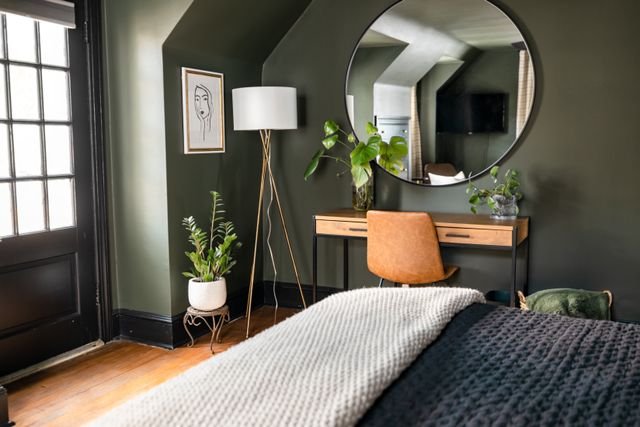
Propped against the wall no fixing required. The most popular choice in recent years for good reason completely renter friendly easy to move and the slight forward tilt actually reflects more of the room.
Wall mounted
A wall mounted long mirror in bedroom setups is fixed flush to the wall, making it the most secure option, especially in homes with children or pets. It also frees up floor space completely since there is no stand or frame taking up room. Just make sure you use proper wall fixings rated for the mirror’s weight before installing it.
Free standing or cheval
A free standing or cheval style sits on its own frame or stand, sometimes with a handy tilt mechanism built in. This kind of long mirror in bedroom setups feels a bit more traditional and does take up a little more floor space, but it can be moved around the room easily and does not lean against or mark the wall the way some other options can.
Where to actually put it this matters more than the mirror itself
- Works well
- Opposite or near a window Reflects natural light back into the room brightening the space throughout the day. This was the single biggest factor in how much brighter my room felt after adding the mirror.
- In an empty corner Fills dead space that usually does nothing and the angle means it reflects a more interesting dynamic part of the room rather than a flat wall.
- Placing a long mirror in bedroom near or beside the wardrobe is one of the most practical choices you can make. It makes getting dressed so much easier and visually ties the storage and styling areas of the room together into one considered zone.
- Avoid
- Directly facing the bed A surprisingly common piece of feng shui advice and also just a practical one many people find it genuinely unsettling to see themselves reflected while lying in bed especially at night.
- Reflecting clutter or mess A mirror doubles whatever it reflects. Position it to reflect a tidy considered part of the room rather than the laundry pile or the cable mess behind the desk.
- Blocking a walkway or door swing is an easy mistake to make when you are focused purely on the visual effect of your long mirror in bedroom placement. Always double check that the mirror does not interfere with how the door opens or how you actually move through the room on a daily basis.
Step by step: choosing and placing a long mirror
Decide leaning mounted or free standing first
This decision shapes everything else including the frame style and how much floor space you need to allow. Consider your living situation (rental versus owned), whether you have children or pets who might knock it, and how much you want to be able to move it later.
Identify your wall options and test with tape
Look for an empty wall ideally near or opposite a window, with enough floor or wall space and no obstruction to door swings or walkways. Tape out the dimensions and live with it for a couple of days before committing.
Choose a frame that matches your room’s existing tones
Black metal frames suit modern and minimalist bedrooms. Natural wood or rattan suits warmer, more organic spaces. Brass or gold edged mirrors add a slightly more glamorous vintage feel. Frameless mirrors disappear visually and suit small or already busy rooms.
Check the actual glass quality before buying, especially online
Cheaper mirrors sometimes have a slightly warped or tinted reflection which becomes obvious once it’s up. Read reviews specifically mentioning reflection quality, not just appearance and where possible see the mirror in person before committing to a larger or more expensive piece.
Secure it properly even if leaning
Leaning mirrors should still be anchored to the wall with a simple safety strap or bracket especially in homes with children pets or older properties with uneven floors. Most leaning mirrors come with these brackets included use them even though it feels like an extra step.
What I actually did in my own room
After the narrow mirror mistake I ended up with a 70cm wide, 170cm tall mirror with a slim black metal frame leaning in the corner diagonally opposite my window. It catches the morning light beautifully and makes the whole room feel noticeably bigger the moment you walk in.
I added a small pampas grass stem in a floor vase beside it and a stack of three books at the base, partly to stop it looking like it was just propped there waiting to be hung properly, and partly because the empty corner looked a little stark without something to anchor the mirror visually.
Mistakes worth avoiding
Buying based on height alone ignoring width
My own mistake detailed above. A mirror that’s tall enough but too narrow means you’re never actually seeing a full useful reflection in one glance. Check both dimensions against how you’ll actually use it not just the headline full length claim.
Skipping the wall anchor because it’s just leaning
A leaning mirror without a safety strap is genuinely a tipping hazard particularly with children or pets in the house or even just an uneven floor. The bracket usually takes ten minutes to install and removes the risk entirely.
Positioning it to reflect the messiest part of the room
Positioning your long mirror in bedroom so it reflects the messiest part of the room is an easy detail to overlook when you are mostly focused on light and wall space. A mirror reflecting an unmade bed or an overflowing laundry basket undoes a lot of the visual benefit you were going for in the first place. Walk around the room and check what is actually showing up in the reflection from a few different standing positions before settling on the final spot.
Choosing a heavily ornate frame in a small room
Choosing a heavily ornate frame for a long mirror in bedroom spaces that are already small can backfire. A large, elaborately framed mirror can easily overwhelm a small room, drawing attention to the frame itself rather than quietly doing its job of opening up the space. In tighter rooms, a slim or frameless option usually works much better, keeping the visual focus on the reflection itself rather than the frame around it.