The kitchen is often considered the heart of the home, where families gather, meals are shared, and everyday moments become lasting memories. If kitchen is not designed well the whole home looks incomplete. Modern kitchen designs focus on creating a perfect balance between beauty and practicality, combining smart layouts, elegant finishes, and comfortable spaces that suit today’s lifestyle. From sleek minimalist cabinets to warm natural textures and creative lighting, a well-designed kitchen can completely transform the atmosphere of a home while making cooking and entertaining more enjoyable and efficient.
Understanding Kitchen Layouts
Choosing the right kitchen layout is essential for creating a functional and aesthetically pleasing space. There are several popular kitchen designs, each with its unique advantages and disadvantages. The L shaped kitchen layout is one of the most common choices. This configuration allows for efficient movement between various work areas while maximizing corner space. L shaped kitchen layout becomes important for modern kitchen design. It is ideal for smaller homes and apartments where space is limited, creating an open feel that encourages interaction.
Another widely used layout is the U-shape kitchen. This kitchen design offers ample counter space and storage, thanks to the three walls of cabinets. It provides a very efficient workflow for cooking tasks, as necessary items are within easy reach. However, the U-shape may not be suitable for small kitchens, as it can feel enclosed if the space is tight. If you have small space u shaped layout will not work for you.
For those with long, narrow areas, the Galley kitchen is an excellent option. This layout consists of two parallel runs of cabinets and countertops. It promotes a highly efficient workflow, particularly for cooking, as everything is close at hand. However, it can lack social interaction space, making it less ideal for entertaining guests.
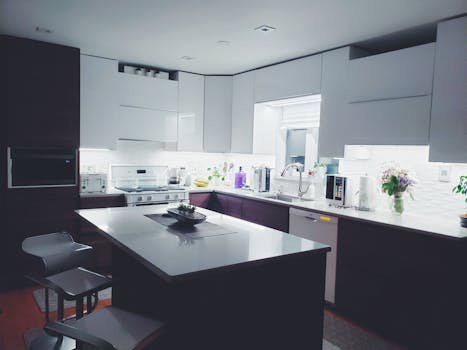
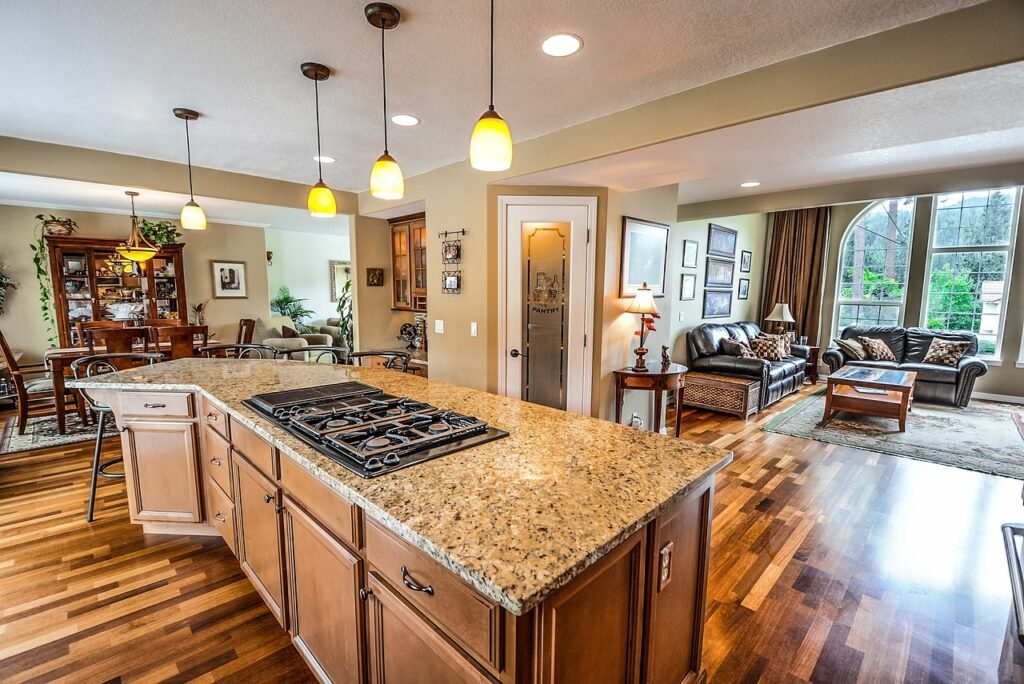
The Island kitchen layout offers flexibility and multifunctionality, with a central island that can serve as additional counter space, dining area, or a cooking station. This kitchen design caters well to modern lifestyles, where open concept living is favored. Still, it requires adequate space to prevent overcrowding and ensure smooth traffic flow around the island.
Choosing the Right Materials and Finishes
When embarking on a kitchen design project, the selection of materials and finishes is a crucial element that can significantly impact both the aesthetic appeal and practical functionality of the space. In kitchen design choosing right material becomes necessary. Countertops, cabinets, backsplashes, and flooring are among the key components that should be given careful consideration.
Starting with countertops, popular options include granite, quartz, and laminate. Granite offers a luxurious finish and exceptional durability, making it resistant to scratching and heat. Quartz, an engineered stone, provides a non porous surface that is also very resistant to stains and scratches, thus requiring less maintenance compared to natural stones. On the other hand, laminate countertops provide a budget-friendly alternative, available in a wide range of colors and designs, but may lack the durability of the former options.
Next, cabinet materials play a significant role in establishing the kitchen’s visual character. Solid wood cabinets, while premium and sturdy, come with a higher price tag. Meanwhile, plywood and MDF (Medium-Density Fiberboard) serve as more economical choices without compromising too much on aesthetics, especially when finished correctly. It is essential to select finishes that will enhance the overall look; for example, a sleek, glossy finish may suit a modern design, whereas a distressed or matte finish may complement a rustic theme.
Backsplashes and flooring materials are equally important in creating a cohesive look. Ceramic tiles and glass mosaics offer versatility in design for backsplashes, while options like hardwood, laminate, or vinyl can be used for flooring, balancing appearance with practical concerns such as durability and ease of maintenance. Choosing the right combination of materials and finishes not only elevates the kitchen’s style but also ensures that it will function effectively for years to come.
Incorporating Functional Elements
In the realm of kitchen design, functionality stands as a cornerstone of creating an efficient and enjoyable cooking environment. To achieve a dream kitchen design that caters to both culinary needs and social gatherings, careful consideration of key functional elements is essential. First and foremost, effective storage solutions must be prioritized. Incorporating cabinetry that offers a variety of storage options such as deep drawers for pots and pans, pull out shelves for easy accessibility, and tall spaces for brooms and mops can significantly enhance organization and efficiency.
Equally important in efficient kitchen design is the delineation of work zones. By establishing specific areas for food preparation, cooking, and serving, you can streamline the workflow within the kitchen. Ensuring that frequently used appliances, such as ovens, microwaves, and dishwashers, are strategically located in relation to each other minimizes unnecessary movement and increases productivity. Layout is important in kitchen design. Furthermore, a well thought out layout, whether it be an open concept arrangement or a more structured one, fosters interaction and can encourage socialization among family members and guests.
Incorporating these thoughtful design elements can create a harmonious and functional space where cooking and entertaining can coexist seamlessly. By focusing on efficient storage solutions, optimized work zones, and ergonomic considerations while embracing modern technology, your kitchen can transform into a true reflection of both style and functionality.
Personalizing Your Kitchen Design
Personalizing your kitchen design is an essential step in transforming a functional space into a reflection of your individual style and preferences. The kitchen is not merely a place for cooking; it serves as a gathering point for family and friends, making it all the more important to infuse your unique personality into its design. One of the first considerations in this endeavor is the selection of a color scheme that resonates with you. Research suggests that colors can have a profound impact on mood and ambiance. For instance, soft pastels can create a calming atmosphere, while bold colors can energize the space. Choosing hues that you and your family love will elevate the overall aesthetics of the kitchen.
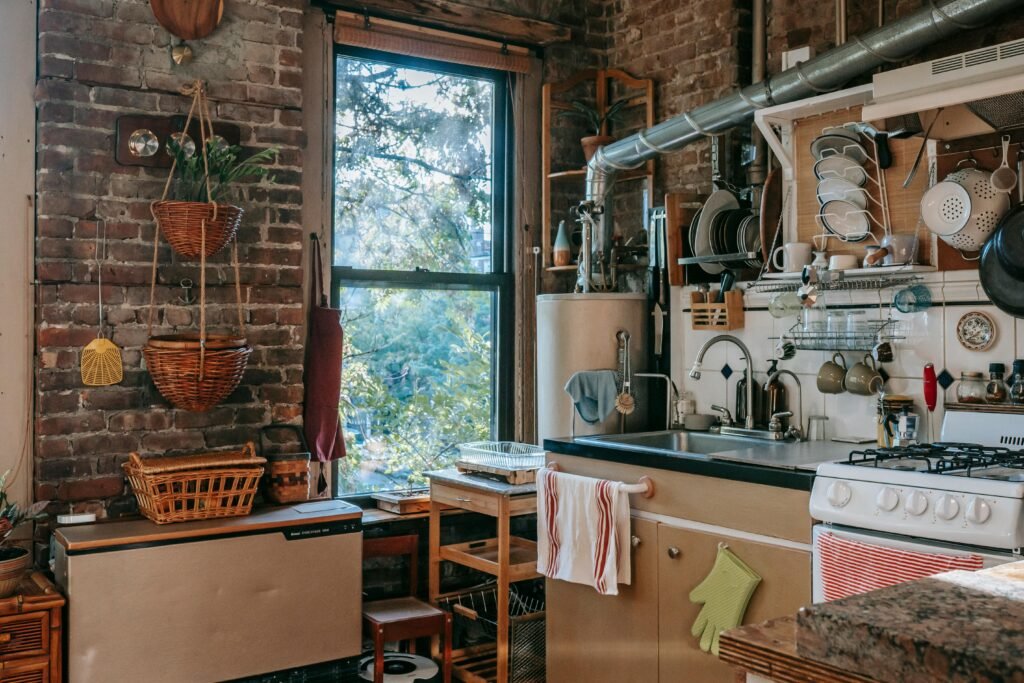
Incorporating decorative accents is another effective way to personalize your kitchen. Items such as artwork, wall hangings, and even decorative bowls can contribute significantly to the kitchen’s character. These accents should reflect your interests and lifestyle, allowing anyone who enters to gain a sense of your personality. Consider including pieces that tell a story, such as travel gifts or heirlooms, to add a layer of depth and nostalgia.
Customization options, such as cabinetry and lighting, also play a pivotal role in creating a personalized kitchen. Choosing cabinetry that suits your style whether it’s sleek modern designs or classic wooden finishes can dramatically change the kitchen’s overall appearance. Lighting is equally crucial; pendant lights over an island or under-cabinet lighting can provide both functionality and flair. Ensure that these elements harmonize with the existing features and enhance the space, balancing beauty with practicality.
Ultimately, the goal is to design a kitchen that not only meets your cooking needs but also resonates with your personal style. By thoughtfully considering color schemes, decorative accents, and customized features, you can create a welcoming environment that invites warmth and joy into your home.
Final Thoughts
A thoughtfully designed kitchen can completely change the way a home feels and functions. Whether you prefer a modern, classic, or cozy style, the right kitchen design should combine comfort, beauty, and practicality in a way that fits your everyday life. Small details like lighting, storage, colors, and materials all work together to create a space that is both beautiful and efficient.